Is Pallet Flipping a Legitimate Side Hustle? The Slightly Chaotic (But Honest) Truth
Somewhere between “I saw a guy on TikTok open a $500 mystery pallet and pull out a PS5” and “my cousin says it’s basically a scam,” you landed here looking for a straight answer to one question: is pallet flipping a legitimate side hustle, or is it just cardboard-scented cope for people who don’t want a second job?
Good news. Bad news. Then more good news.
The good news: pallet flipping is a real, functioning, income-generating business model that thousands of ordinary people run out of garages, storage units, and spare bedrooms every single day. The bad news: it is not a vending machine that spits out cash when you insert a pallet. It’s a business, with business math, business risk, and the occasional pallet full of expired mustard. The other good news: once you understand the actual mechanics — not the TikTok highlight reel — pallet flipping becomes a genuinely legitimate, repeatable side hustle that plenty of people turn into a full-time gig.
This guide breaks down exactly how pallet flipping works, what it actually pays, where the myths fall apart, and how to avoid becoming a cautionary Reddit post. Let’s get into it.
What Exactly Is Pallet Flipping?
The Short Definition
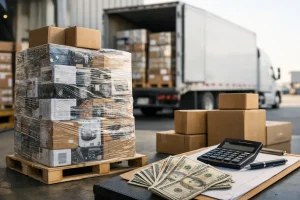
Pallet flipping is the practice of buying liquidation pallets — bulk lots of unsold, returned, overstocked, or shelf-pulled merchandise from retailers — at a steep discount, then reselling the individual items for a profit through platforms like eBay, Facebook Marketplace, Poshmark, flea markets, or your own online store.
Think of it as the retail version of buying a mystery box the size of a refrigerator, except instead of one mystery, you get forty to four hundred of them stacked on a wooden pallet.
Where Pallet Flippers Actually Get Their Pallets
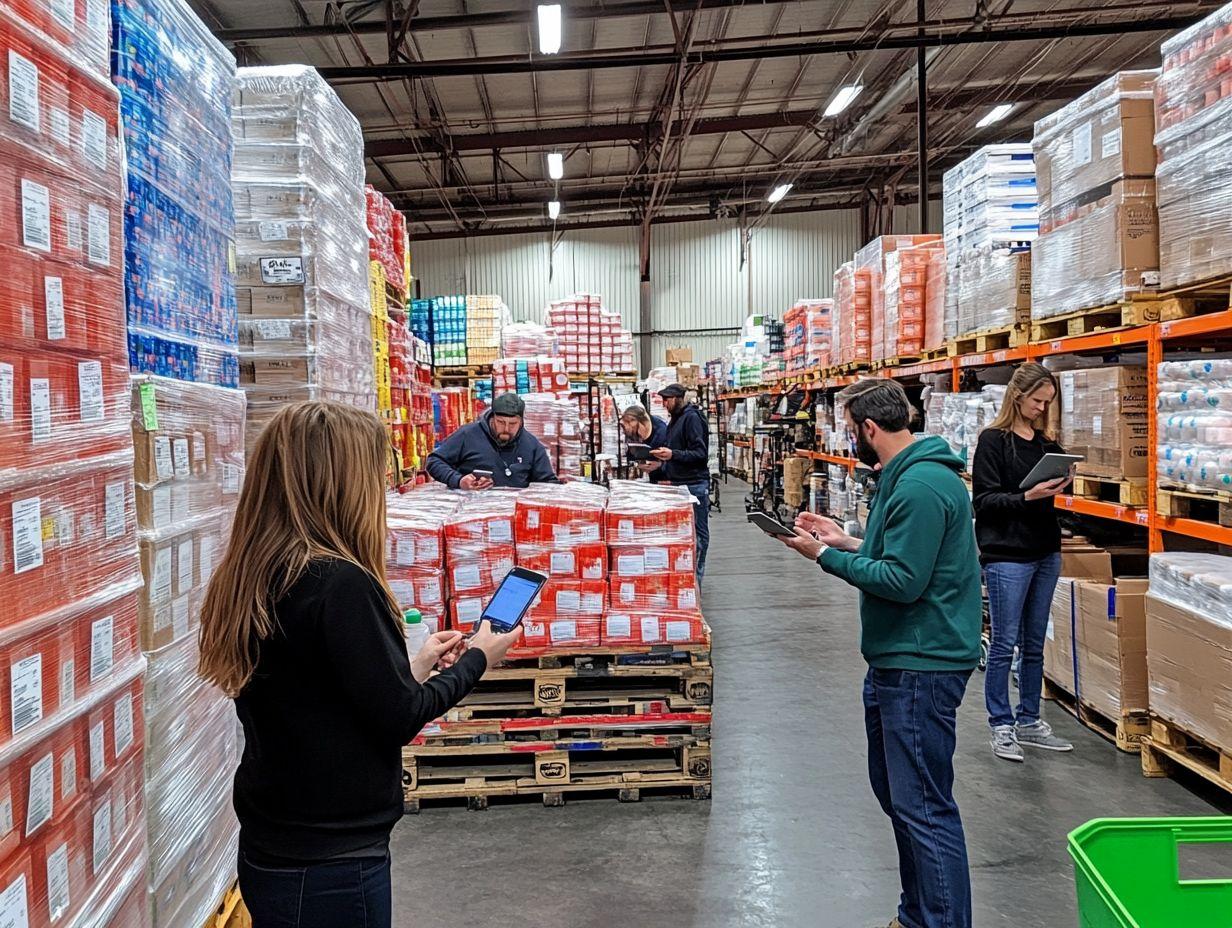
This is the part nobody explains clearly, so here it is: liquidation pallets come from retailers who need to clear inventory fast. Customer returns, overproduction, seasonal overstock, shelf-pulls, and closeouts all funnel into liquidation warehouses, where they get sorted, palletized, and sold wholesale to resellers — people like you. That’s the entire supply chain. No smoke, no mirrors, just retailers cleaning house and resellers cashing in on the discount.
Is Pallet Flipping a Legitimate Side Hustle, Really?
Let’s answer the actual question you came here for, because burying the lede is rude.
Yes — pallet flipping is a legitimate side hustle. It’s a real segment of the retail economy, built on real wholesale liquidation supply chains, and it generates real income for real people. It is not a pyramid scheme, it doesn’t require you to recruit your aunt, and nobody is going to ask you to buy a “starter kit” for $997.
But — and this is the part the hype videos leave out — legitimate does not mean guaranteed, effortless, or risk-free. It means the business model itself is sound; your results depend on you.
The “Get Rich Quick” Myth vs Reality
The internet loves a good pallet-flipping fairy tale: someone opens a pallet, finds three sealed gaming consoles, and suddenly retires at 27. Occasionally that happens. Mostly what happens is more mundane — and more sustainable. A flipper buys a pallet of general merchandise, spends a weekend sorting and photographing items, lists them online, and nets a modest but real profit after fees, shipping, and time.
That’s not a scam. That’s just… retail. Slow, boring, profitable retail, dressed up in a cardboard costume.
Real Numbers, Real Profit Margins
Most experienced flippers aim for a 2x to 4x return on a pallet’s purchase price once every item sells — though “once every item sells” is doing a lot of heavy lifting in that sentence, because some items sell in a day and others sit until you finally donate them out of spite. A $350 pallet that resells for $900–$1,200 in total, spread across several weeks, is a completely normal, unremarkable, legitimate outcome. It’s not a jackpot. It’s a small business with decent margins, which — last anyone checked — is still allowed to be called legitimate.
How Pallet Flipping Actually Works (Step-by-Step, No Fluff)
Step 1: Pick a Category You Won’t Hate Sorting
Choose a niche that matches your patience level and your local resale market. Electronics need testing knowledge. Clothing needs steaming and photography patience. Toys and collectibles need… honestly, just enthusiasm and a Funko Pop obsession, which most people already have.
Step 2: Buy From a Reputable Wholesale Source
This is the single most important decision in your entire pallet-flipping career, and it’s also the step where most beginners get burned — usually because they bought from an auction site with zero manifest transparency and a bidding war that turned a $200 pallet into a $600 gamble.
Buy from a supplier with clear pricing, real product photos, and a buy now option instead of an anxiety-inducing countdown timer. If you’re shopping the general liquidation pallet category, look for sellers who show you exactly what you’re getting before you pay — not after you’ve already emotionally committed.
Step 3: Sort, Inspect, and Price
Unbox everything, separate sellable from scrap, photograph the good stuff in decent lighting (your phone camera is fine, your kitchen table lighting is not), and price competitively using sold listings as your benchmark, not asking prices.
Step 4: List, Sell, Repeat
List across multiple platforms, ship promptly, keep your feedback score pristine, and reinvest profits into your next pallet. Congratulations — you now run a business. File your taxes accordingly.
Best Liquidation Pallet Categories for Flipping
Not all pallets are created equal, and category choice massively affects how fast — and how easily — you flip your inventory. Here’s a breakdown of the strongest resale categories, drawn straight from what’s actually moving in the liquidation pallet marketplace right now.
Toys, Collectibles & Pop Culture
This is the golden goose of pallet flipping because demand is constant, items are lightweight to ship, and collectors are famously willing to overpay for cardboard boxes with a chase figure inside. Popular picks include Labubu Mystery Figure Pallets, which ride the current collectible-toy craze, Funko Pop Pallets for the eternally loyal Pop! crowd, Hot Wheels Pallet For Sale for the diecast diehards, and LEGO Pallet Wholesale, which resells beautifully because, let’s be honest, nobody has ever had “too much LEGO.”
Trading Cards & Collector Mania
Trading cards are basically the stock market for people who refuse to call it gambling. Pokémon Card Pallets Wholesale and Wholesale Magic The Gathering Cards Pallet appeal to a fanbase that will happily pay collector prices for sealed product, while Sports Card Pallet Wholesale and the Sports Card Pallets Wholesale – Sealed Trading Cards listing tap into the booming sports memorabilia resale scene.
Electronics & Gadgets
Higher ticket, higher risk, higher reward. Mixed Electronics Pallet Wholesale and EarPods Pallets Wholesale – Bulk Deals for Resellers move fast because everyone always needs a charger, a cable, or replacement earbuds — usually right after losing the last pair somewhere in the couch cushions. If your local market skews gamer, Cheap Wholesale Video Game Pallets is worth a look too.
Home, Beauty & Everyday Essentials
Not everything has to be exciting to be profitable. Makeup and Beauty Pallets Wholesale, Stanley Cups Pallet | Bulk Insulated Tumblers for Resale, Wholesale Kitchen Appliances Pallet, and Detergent Pallets Wholesale | Bulk Laundry Supplies move consistently because people need clean clothes and hydration flasks more reliably than they need a new hobby.
Tools, Outdoor & General Merchandise
For flippers who prefer flea markets and garage-sale crowds over Instagram aesthetics, Liquidation Power Tool Pallets, Wholesale Hunting & Fishing Gear Pallets, and General Merchandise Pallets Wholesale offer steady, practical sell-through. Round it out with Bulk Accessories Pallets For Sales | Wholesale Mixed Accessories and Wholesale Mixed Toy Pallets for broad, low-risk variety. You can browse the entire lineup any time in the Liquidation Pallet category.
Why Where You Buy Your Pallets Matters More Than People Admit
This is the plot twist nobody puts in the “get rich flipping pallets” video: the single biggest variable in whether pallet flipping is a legitimate side hustle for you is who you’re buying from.
Auction Sites vs. Buy-Now Marketplaces
Two of the biggest names in the liquidation space, DirectLiquidation.com and Liquidation.com, run largely on an auction-bidding model. That sounds exciting right up until you’re refreshing a browser tab at midnight, watching a $250 pallet get bid up to $480 by someone with clearly more disposable income and less impulse control than you. Auctions can work — but they’re built for buyers who enjoy competitive bidding as a hobby, not resellers trying to protect their margins.
A buy now pallet marketplace flips that dynamic. You see the price. You see the category. You either pay it or you don’t, with zero surprise last-second sniping to inflate your cost basis. That predictability is what turns pallet flipping from “a fun gamble” into “an actual repeatable business.”
Pricing Transparency
Legitimacy in this industry lives or dies on transparency — clear categories, honest photos, stated conditions, and prices that don’t require you to “request a quote” like you’re buying a used yacht. A wholesale liquidation pallets marketplace that lists flat, fixed prices for categories like toys, electronics, cards, and general merchandise gives resellers the one thing auction platforms can’t: predictable math.
Support, Shipping & Payment Flexibility
Legitimate suppliers offer real customer support, fast and international shipping, and flexible payment options — including options like bank wire for bulk orders — rather than leaving you to chase a support ticket into the void after your pallet mysteriously vanishes at a freight terminal somewhere in Ohio.
Pallet Flipping: Pros and Cons (No Sugarcoating)
Pros
- Low barrier to entry — you can start with a single pallet and a smartphone camera.
- Wide product variety means you can specialize in what actually interests you.
- Fixed, buy-now pricing on modern liquidation pallet marketplaces removes the auction guesswork.
- Scalable — one pallet a month can become ten once you find your rhythm.
- Genuine profit potential, typically 2x–4x on well-sorted pallets.
Cons
- Manifests aren’t always guaranteed on every pallet type, so some variance is normal.
- It requires actual labor: sorting, photographing, listing, shipping, and customer service.
- Storage space becomes a real (and sometimes smelly) constraint fast.
- Slow-moving items can tie up cash flow if you don’t diversify categories.
- It is a business, which means it comes with business taxes, business risk, and business Tuesdays where nothing sells.
None of these cons make pallet flipping illegitimate. They just make it a business — which, shocking twist, is exactly what it is.
How Much Can You Realistically Make Flipping Pallets?
Beginner Numbers
A first-timer buying a $300–$500 pallet, selling patiently across a few weeks, typically nets somewhere between $200 and $600 in profit after fees and shipping — assuming they picked a decent category and didn’t list everything at “vibes-based” pricing.
Scaling Up
Flippers who reinvest profits and buy multiple pallets monthly — mixing high-turnover categories like electronics accessories and trading cards with steady sellers like home goods — commonly report monthly profits in the low four figures once they’ve built listing efficiency and repeat buyers. It’s not a lottery ticket. It’s compounding, boring, spreadsheet-friendly business growth. Deeply unsexy. Also deeply legitimate.
Common Pallet Flipping Mistakes (And How to Dodge Them Like a Pro)
- Buying the cheapest pallet available. Cheap and profitable are not synonyms. A rock-bottom price on unsorted junk is still junk.
- Ignoring shipping costs until checkout. Freight isn’t free, and it will absolutely eat your margin if you didn’t budget for it.
- Overbidding in an auction frenzy. See above: buy-now pricing exists for a reason.
- Listing everything at MSRP. You bought liquidation inventory. Price like it.
- Not diversifying categories. One slow pallet won’t sink you. Five slow pallets in the same dead category might.
- Skipping the paperwork. Track your income and expenses from day one. The IRS does not accept “it was a hobby, technically” as a defense.
Tips to Succeed at Pallet Flipping in 2026
- Start small, prove the model works for you, then scale.
- Photograph everything in natural light — it sells faster than a moody indoor flash photo ever will.
- Price using recently sold comps, not wishful thinking.
- Buy from a supplier offering buy now pricing over pure auctions to protect your margins.
- Build relationships with local flea markets and online marketplaces simultaneously — don’t rely on one channel.
- Reinvest a portion of every sale back into inventory instead of spending it all immediately.
- Track absolutely everything in a simple spreadsheet. Future-you, filing taxes, will thank present-you.
Frequently Asked Questions
Is pallet flipping actually profitable, or is it mostly hype? It’s genuinely profitable when done with a plan — picking solid categories, buying from transparent sellers, and pricing based on real resale data. It’s hype when people expect every pallet to contain a hidden PlayStation.
How much money do I need to start pallet flipping? Most beginners start with $300–$500, enough for a single solid pallet in a category like toys, accessories, or general merchandise, without overcommitting before they know what they’re doing.
Do I need a business license to flip pallets? Requirements vary by location, but once you’re consistently reselling for profit, it’s smart (and often legally required) to register as a sole proprietorship or LLC and report the income. Check your local regulations.
What’s the biggest risk in pallet flipping? Overpaying — usually from bidding wars on auction-based liquidation sites — combined with picking a slow-moving category and letting inventory sit instead of pricing it to move.
Is it better to buy pallets through auctions or buy-now marketplaces? Buy-now pricing gives resellers predictable costs and protects profit margins, which is why experienced flippers increasingly prefer fixed-price liquidation pallet marketplaces over unpredictable bidding wars.
Can pallet flipping become a full-time job? Yes. Many resellers start part-time, reinvest their profits, diversify categories, and scale into a full-time operation once they’ve built repeatable systems for sourcing, sorting, and selling.
Conclusion: So, Is Pallet Flipping a Legitimate Side Hustle?
Yes. Genuinely, unglamorously, spreadsheet-approved yes. Pallet flipping is a legitimate side hustle built on a real wholesale supply chain, real resale demand, and real profit margins — as long as you treat it like the small business it actually is, not a scratch-off ticket with better packaging.
The people who succeed aren’t the ones who got lucky with one viral unboxing. They’re the ones who picked a category, bought from a transparent, buy-now liquidation pallet marketplace instead of gambling in an auction, sorted their inventory without complaining too much, and priced things sensibly. Do that consistently, and pallet flipping stops being a “side hustle” and starts looking suspiciously like a real career — one cardboard box at a time.